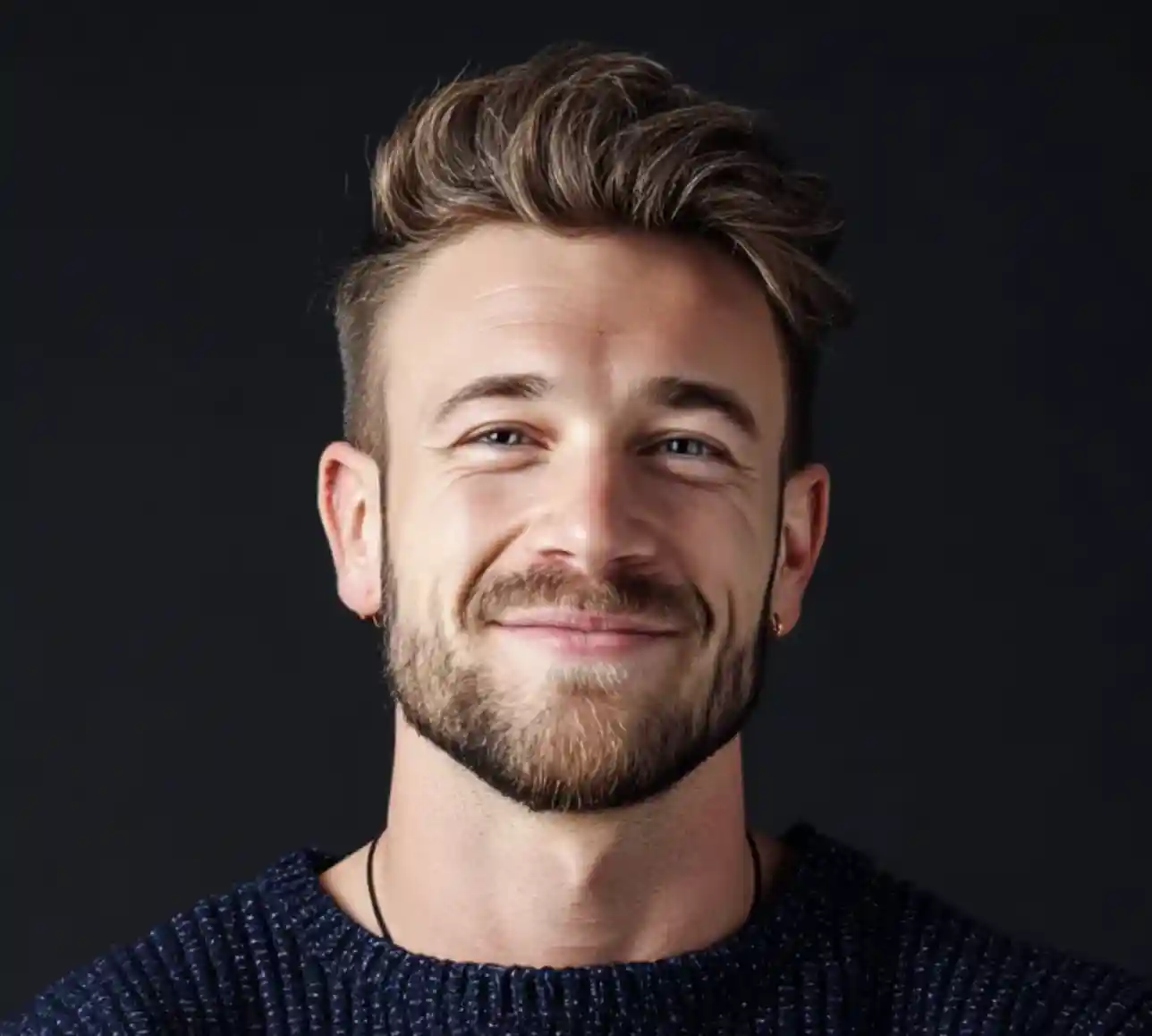
Yes, you can generate images straight from a Claude chat. Connect Higgsfield once, then ask Claude for the shot you want and it picks the model, runs the render, and drops the file back in the thread. No prompt-engineering UI, no model dropdown to learn first.
I ran a full sitting on Higgsfield Plus and generated five images in one go. Each came back in roughly 10-20 seconds and cost about 7-8 credits. Claude chose the model for every one. That model choice is the whole game, so this guide walks through what gets picked and when.
The short version: Nano Banana for photoreal product shots, diagrams, and anything with readable text. Soul for consistent faces and portraits. z_image when you want fast and cheap and stylized is fine.
TL;DR
Connect Higgsfield to Claude, describe the image, and Claude routes it to a model: nano_banana_2 for photoreal stills and legible text, Soul for portraits, z_image for fast stylized output.
Five 1-shot images in my session: ~10-20s each, ~7-8 credits each on the Plus plan.
Resolution is the real credit lever. 1k is the cheap default; 2k and 4k cost more. Draft at 1k, upscale only the keeper.
Nano Banana rendered a "CLAUDE x HIGGSFIELD" headline legibly, which most image models still fumble.
Aspect ratio is set in plain language (16:9, 9:16, 1:1). Claude passes it through.
Before you generate: connect it once
Image generation needs the Higgsfield connector live in Claude first. It is a one-time setup: add the custom connector, sign in, approve. The full step-by-step is in the connect Higgsfield to Claude guide. Once it shows as connected, everything below works inside a normal chat.
The actual workflow
You type what you want. That is it. I asked for a product ad shot of wireless earbuds on marble, and Claude wrote the prompt, picked nano_banana_2, set 16:9 at 1k, and ran it. Ten seconds later the image was in the thread.
Here is the product shot from that run:
You do not pick the model in a dropdown. Claude reads the request and routes it. Ask for "a clean photoreal product render" and you get Nano Banana. Ask for "a fast stylized illustration" and you get z_image. You can override by naming a model, but the default routing was right every time in my session.
One thing worth knowing: the model picks the model. If the first result is close but not right, you reprompt in the same chat instead of restarting. Claude keeps the context, so "same shot but warmer lighting" works.
Choosing a model (what Claude picks, and why)
Nano Banana (nano_banana_2)
The default for stills that need to look real or carry text. It goes up to 4K, handles photoreal product shots, and is the only one in my run that rendered legible text. I asked it for a "CLAUDE x HIGGSFIELD" headline infographic and the words came out readable, not the usual melted-letter soup most image models produce.
If your image has words, a logo lockup, a diagram, or a UI mock with labels, this is the one you want. It is also the photoreal product workhorse.
Soul (text2image_soul_v2)
Built for people. Consistent characters, portraits, and creator-style UGC shots. If you need the same face across several images, or a believable talking-head still you will animate later, Soul is the pick. I used it for a 9:16 creator portrait at 2k and the face held up at that resolution.
z_image
Fast and cheap, stylized output. When the brief is "an illustration, not a photo" and you do not need 4K or readable text, z_image is the lowest-credit way to get there. I ran a stylized robot illustration through it and it came back quicker than the Nano Banana shots.
There are more models behind the connector. These three cover most of what a solo builder actually ships: a product shot, a portrait, an illustration.
Aspect ratio and resolution
You set aspect ratio in plain language and Claude passes it through. 16:9 for hero banners and YouTube thumbnails. 9:16 for Shorts, Reels, and TikTok stills. 1:1 for feed posts. I did not touch a single config field, I just said "make it vertical" or "16:9" in the request.
Resolution is where the credits actually go. 1k is the cheap default. 2k costs more, 4k more again. The trick is to draft at 1k until the composition and the prompt are right, then re-render the keeper at 2k or 4k. Generating four 4K versions of a shot you are still iterating on is how an afternoon of credits disappears.
Claude can check your balance mid-chat and suggest a cheaper model or a lower resolution if you ask it to watch the spend. Worth doing on a long session.
What it actually costs
Real numbers from my run on the Plus plan. I started at 787.75 credits. After five images and two short video clips I was at 734.98. That is about 53 credits for seven assets, so roughly 7-8 credits per still image at 1k. Video clips run a bit more at the same short durations.
At those rates a single image is cheap. The risk is volume. Fast generation plus no draft discipline plus 4K-by-default and you burn through a plan in an afternoon. The fix is boring: draft small, upscale the one that works.
Higgsfield has no free plan as of June 2026. Plus runs around $40/mo with Business and Ultra above it. Confirm the current numbers on higgsfield.ai/pricing before you commit, the credit-based tiers move.
Limits and the gotchas I hit
Referencing an external image URL can throw a hosting error. If you want to use an existing image as a reference, upload it into the flow or generate it inside the chat first. Pointing at a random web URL is the unreliable path.
No free tier means you are paying from the first render, so the draft-small habit matters from minute one.
The model routing is good but not psychic. If you have a specific look in mind, say it. "Photoreal, studio lighting, shallow depth of field" gets you a different Nano Banana result than "product shot."
Permission prompts fire per tool the first time unless you pre-approve them in the connector settings. Mildly annoying, one-time.
Once your image is right, animate it
Higgsfield video is image-to-video. There is no text-only video path, you generate a still first, then animate it. So a good image is step one of any clip. When you are ready for motion, the create videos with Claude + Higgsfield guide covers picking a video model and adding audio.
For the full picture on whether the tool earns its subscription, who it fits, and how the pricing shakes out, read the Higgsfield review. The verdict there does not depend on affiliate status.
Vibetoolstack reviews tools we'd recommend to readers building toward $10k/mo of independent income. Where an affiliate program exists and we participate, the link is marked. Where not, links are editorial. The verdict above doesn't depend on affiliate status.